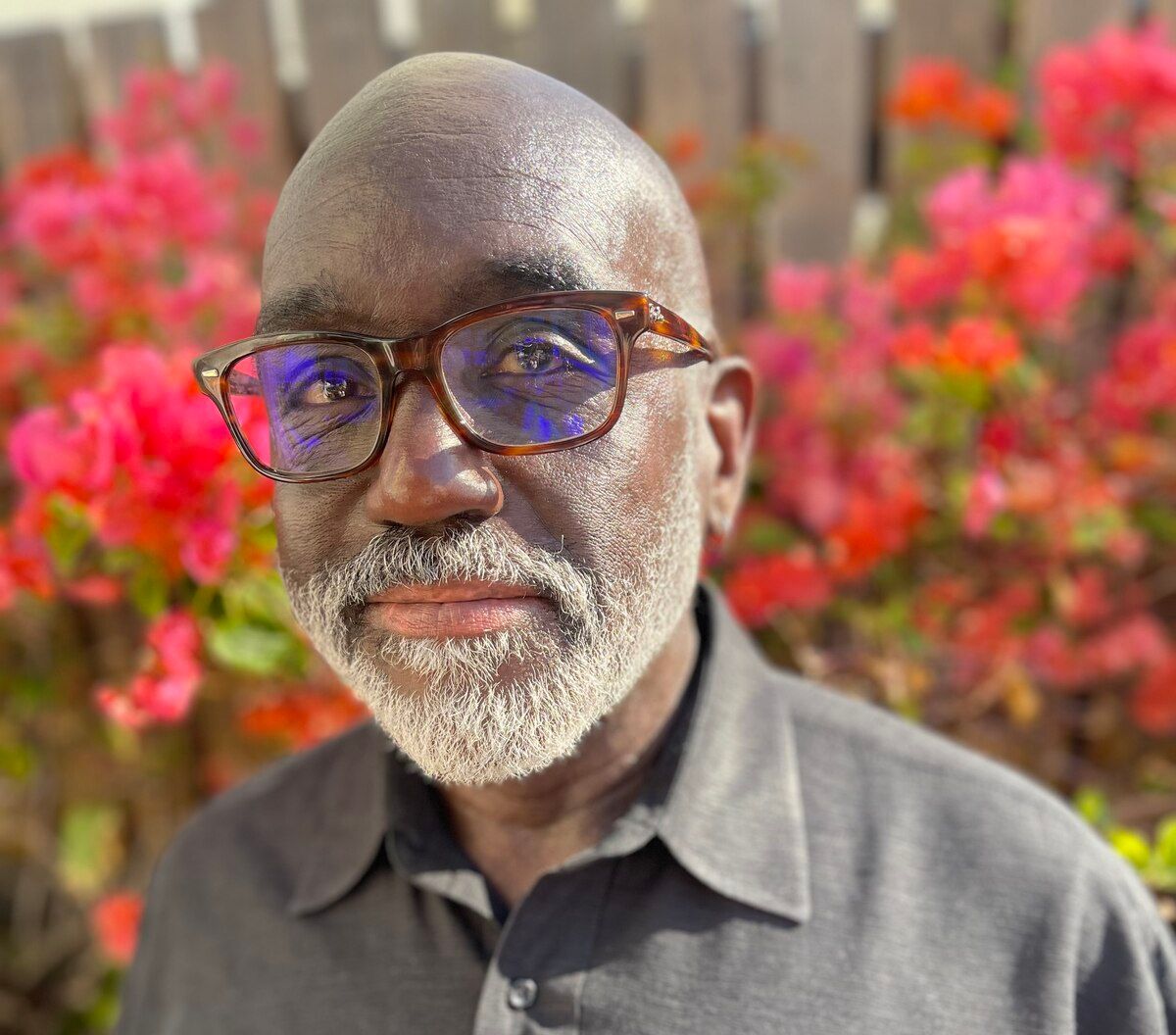

A founder Elia Wallen knows was planning to raise $2 million.
Wallen, CEO/founder of business travel platform Engine, asked him a simple question: Why $2 million?
They ran through the numbers, and it turned out that the founder, who was building a hardware startup, actually needed around $800K to accomplish what was required to reach the next stage.
That remaining $1.2 million wasn’t free insurance. It was equity.
"A few hundred grand could change the difference of maybe five or ten percent of your company. That's wild to me. I was very close with that. I did not give up equity easy. " [12:44]
Many founders assume raising VC is just part of the process: you have an idea, build something, make a deck, find some investors, and start pitching.
But what if you don’t actually need the money yet?
Before there is proof, every founder is operating in a legitimacy gap — the uncomfortable period where they understand what they’re building and why it matters, but the rest of the world doesn’t care. In that situation, getting a check from an investor can feel like more than money. It’s proof.
One of the things I wanted to understand after talking to Elia: how do founders distinguish between:
I need capital.
And:
I need reassurance.
Getting outside validation is important, he acknowledged.
“ When you can do a press release and tell the world that someone else believes in you and wrote a big check, it helps a lot… It certainly helps internally with your employees. It helps with spouses and significant others wondering what you're doing so late, the late hours grinding. I also think some people do it for the wrong reasons, and sometimes that can be ego, it can be pride.” [5:49]
If you’re planning to raise money and don’t have a plan for every dollar, you may be about to make a very expensive mistake.

Money makes your mistakes bigger
If you step back and think about it, handing an entrepreneur a stack of cash while they’re still figuring out their business is a bad bet.
"If you give me a car when I'm 10, I'm probably gonna crash it.” [7:23]
All early-stage founders will make mistakes, but those mistakes are resource-constrained, which mitigates the damage.
With a large bank balance, you can hire too many people before the business can absorb them and pay for offices you don’t need. You can do embarrassing publicity stunts in San Francisco that reinforce the stereotype that tech people lack self-awareness.
The mistakes well-funded startups make tend to attract negative attention, like the person at karaoke who had too many White Claws and insists on singing “Shallow.”
Scarcity may help you postpone some of your worst decisions. If you disagree, go read some articles about NFTs and crypto investing circa 2019.
When should you actually raise?
If "don't raise too much too soon" is the advice, what exactly does ready look like?
Engine raised its Series A in 2019 because the business was growing faster than it could keep up. Elia says there were opportunities they couldn't capture without hiring more people, and the cash requirements were beginning to outstrip what the business could support on its own.
“The business was taking off. It was pulling us faster than we could keep up, and we needed to hire more… We needed to capture the market, not for security, not to cover a burning business." [18:08]
That's a very different proposition from raising money to find out whether anyone wants what you're building.
The clearest test Elia offered was this: Do you have customers who are ready, willing and able to pay? Are you, as the founder, still close enough to those customers to understand what they actually need? And have you taken the business as far as you reasonably can without outside capital?
If you have an idea and your first instinct is to start raising money, his advice is considerably less nuanced:
"Just get back to work." [33:08]
More money, more problems.
For a first-time founder, working with an investor can create a reality distortion field. Someone successful and experienced says they believe in you. They write a large check. Then they have an idea about what your company should build next.
How easy is it to say no?
"You just had somebody maybe save your company or write a big check. Who are you gonna be beholden to?" [22:56]
You can fire a bad hire, but getting the wrong investor off your cap table is a very different proposition.
It’s natural to seek out validation or signals that show other people believe in the thing you’re building. But belief isn't product-market fit, a press release isn't traction, and a successful seed round doesn't mean you've figured out what customers want.
Before you start pitching investors, ask yourself the harder question:
What would I do with this money that I genuinely can't do without it?
🎧 Spotify
Building something that’s hard to explain?
That’s often a sign you’re working on something interesting. It can also cost you fundraising, sales, hiring, and media opportunities.
I help early-stage founders sharpen the narrative around what they’re building: what matters, why now, who needs to care, and why they’re the right team to make it happen.
If you’re preparing for a raise, launch, important customer meeting, panel, or hiring push, I can help you pressure-test the story before the stakes get higher.
RUNTIME 35:13
EPISODE BREAKDOWN
(1:40) What is Engine?
(3:25) Why ignorance can be an advantage
(5:38) Are you raising money for validation?
(8:58) What constraint teaches founders
(10:57) How much money do you actually need?
(17:44)When it actually makes sense to raise
(21:18) How investors can pull you off course
(26:38) Equity is more expensive than you think
(30:55) How to know when you're ready to raise
LINKS
Want to support this work?
Become a paid supporter. It directly buys me time to make more deeply-reported, founder-first conversations like this one.

