
“The highest treason a crab can commit is to make a leap for the rim of the bucket.”
— Steven Pressfield, “The War of Art”
Play devil’s advocate with me for a moment.
What if Silicon Valley tech campuses are actually beautifully architected work farms where inmates eagerly exchange their creative and technical skills for six-figure salaries, farm-to-table cafeteria meals, and the privilege to return a chunk of their earnings to their employers so they can purchase Incentive Stock Options?
No one wears prison stripes, but these workers walk, bike and scoot through office parks and corporate HQs decked out in branded polo shirts, hoodies and other gear. They team-build at company retreats, bring their dogs to work, and nearly everyone knows someone who married a co-worker.
From time to time, some even sleep under their desks.
MAMAA companies provide a sense of community and a steady paycheck. But do they stoke the fire that burns within entrepreneurs?
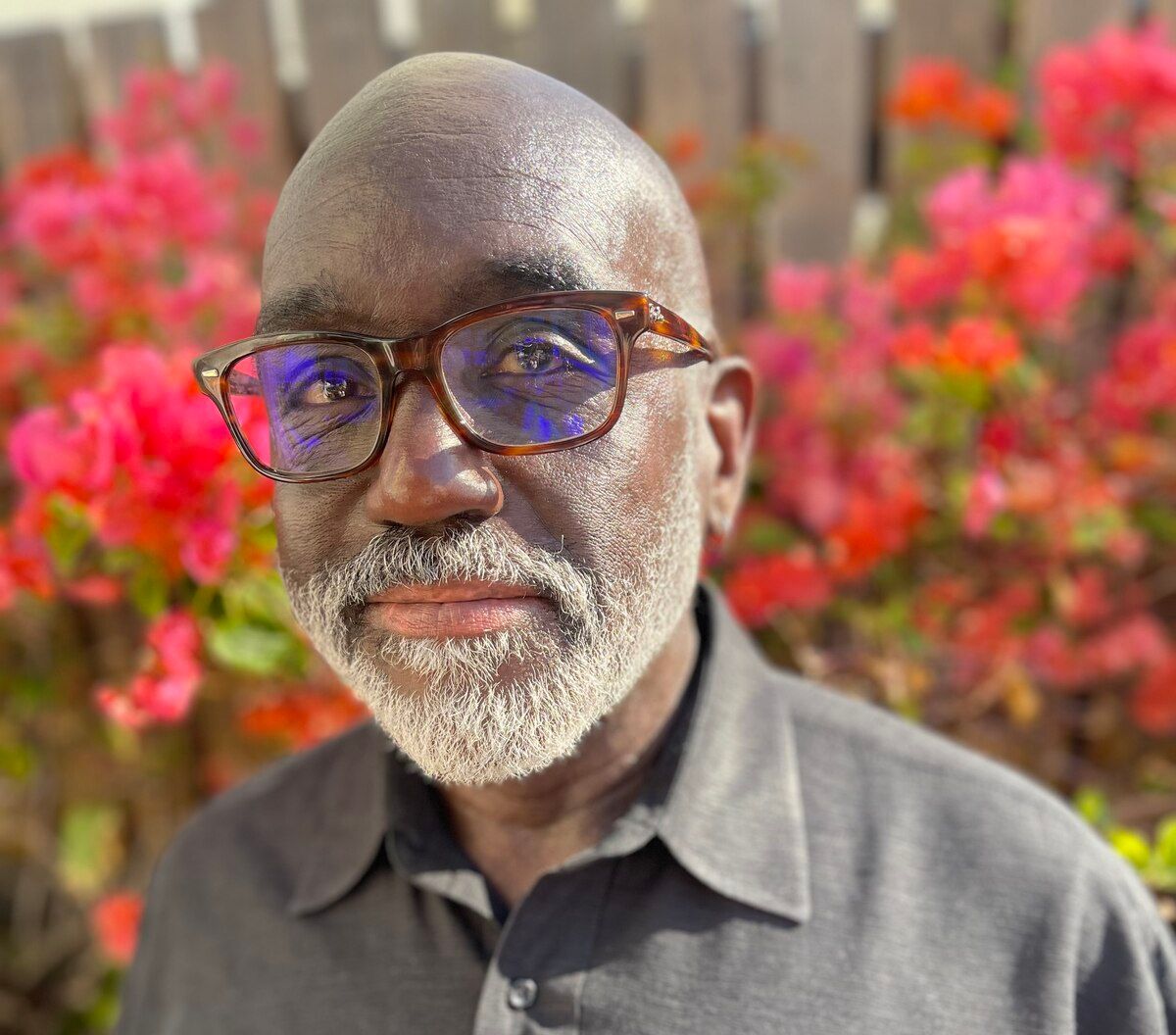
“The big learning experience for me was to really understand that Google was a job. It was not part of my identity,” said Hantz Févry, CEO and co-founder of Stoovo. “I was working at a company called Google, but I am Hantz. I'm not a ‘Googler.’”
I invited him on Fund/Build/Scale to discuss his transition from working at Google to launching a stealth startup and learn more about how his team pivoted from a platform for gig workers into an AI-based geospatial data company.
He also spoke candidly about some of the mistakes he made while fundraising at the seed stage and addressed a few challenges facing immigrants on worker visas who want to start up in the U.S.
“I don't think there's any country in the world where I would be able to do what I did here in the U.S.” said Hantz. “Of course it comes with its challenges. And I think an immigrant coming here to start a business needs to be aware that it's not going to be the perfect book definition of how to be successful. You're going to have to be creative.”
Runtime: 36:23
Episode breakdown
2:26: “We realized that when it comes to the last hundred meters, there's a big gap.”
6:34: “I don't like to call it a pivot. I like to say that Stoovo evolved.”
8:35: “I do not think pivoting is a bad word. Actually, I think it's a sign of resilience.”
10:55: “By working together, it was very natural for the whole team to transition.”
15:07: “I was working at a company called Google, but I am Hantz, I'm not a Googler.”
17:10: “You might get there. You might not, but at least you were courageous enough to try.”
18:36: How Hantz defines work-life balance
22:20: Before he could launch Stoovo, “I had to wait until I had my green card.”
25:16: “I didn't have a uncle here, I do not have that famous garage where I can just sleep”
27:37: How Hantz and his co-founder Pierre connected with early investors
29:19: His framework for assessing founder-investor fit
33:38: Fundraising advice for Black and immigrant founders
34:32: Why “you don't need to be in Silicon Valley to build a business.”
Links
Stoovo (website)
Stoovo app (Google Play)
Stoovo app (Apple
The War of Art, Steven Pressfield
Subscribe to Fund/Build/Scale

Thanks for listening!
– Walter.


