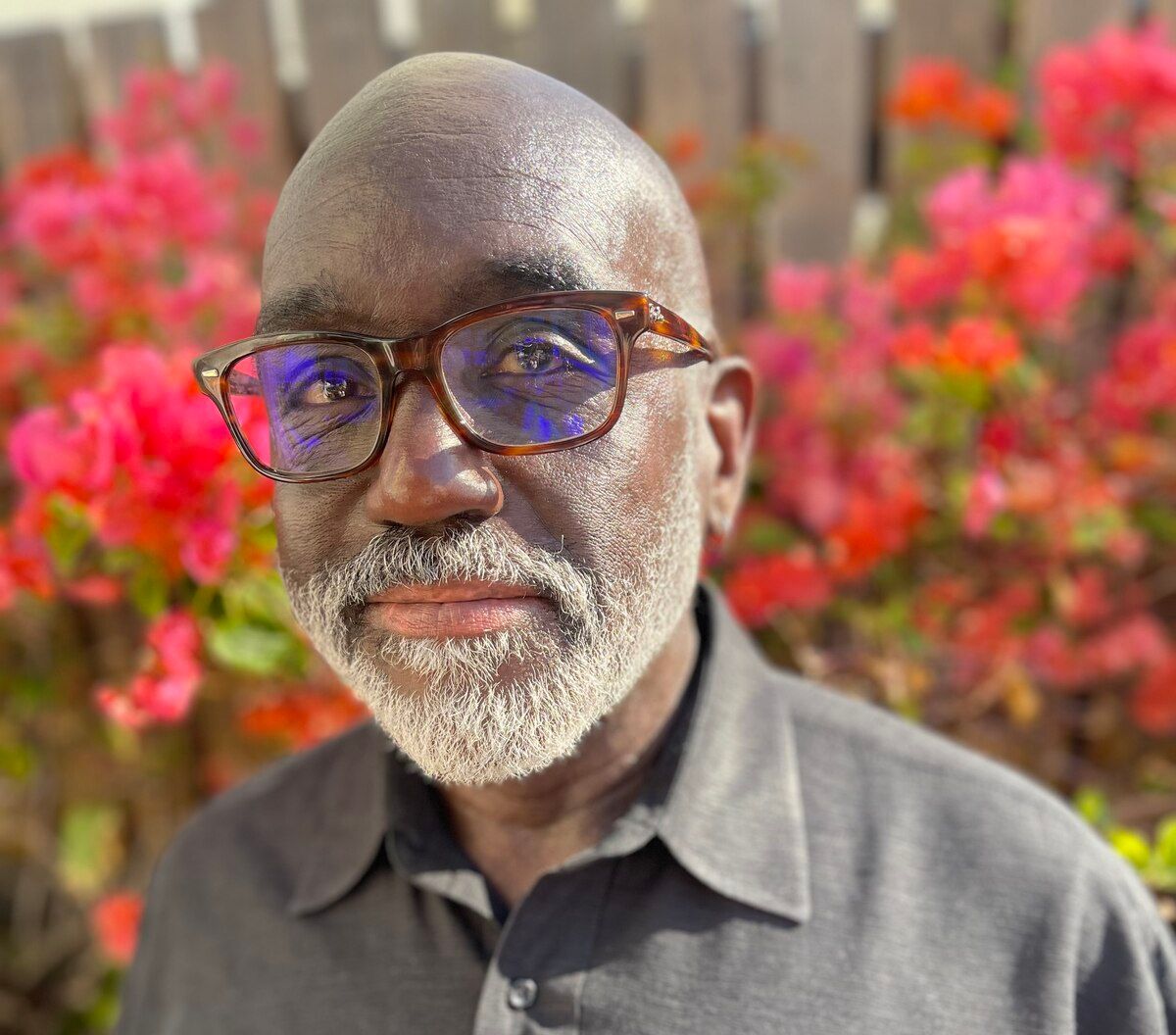

Daydream founder/CEO Julie Bornstein and Jon Callaghan, co-founder and managing partner at True Ventures, have known each other since they were graduate students at Harvard.
She went on to lead e-commerce for brick-and-mortar brands before becoming COO at Stitch Fix and founding The Yes, a personalized shopping app she sold to Pinterest. Today, Julie is founder/CEO of Daydream, an AI-powered fashion discovery platform.
Jon, who has founded three startups, describes himself on LinkedIn as “a very early-stage venture capitalist” and can point to examples like Fitbit, Ring, BrightRoll, and Peloton. When we met last year outside a True Ventures event while I was waiting for a Waymo, I invited him on the show. (If you don’t ask, you don’t get.)
For this conversation, we rolled the clock back to discuss how they connected when The Yes raised its Series A.
Given their shared history and her track record of success, this was not my usual founder-investor interview: Jon knew she wasn’t a risky unknown, and Julie understood that they already shared a common set of values.
The moment that sets the tone
At one point, Julie walks through how she approached runway planning for The Yes as a non-technical founder:
She met with multiple potential CTOs, mapped out how many people it would take to build the product, estimated how long that work would take, layered in non-obvious costs, added a buffer — and then worked backward from the milestone she’d need to reach to raise the next round. They estimated it would cost $8M and raised $11M.
Jon says that deeply collaborative process is a “ powerful lesson, especially in today's seed market.” Even with decades of operating experience, Julie pressure-tested her assumptions with other founders and executives, stayed open to feedback, and adjusted her model accordingly.
“ I never expect founders have the all the answers,” he says. “I do expect them to have really high conviction and really low ego.”
What we get into in this episode
Some of the questions we unpack:
What “traction” actually means before product-market fit
How non-technical founders can sketch a credible runway model
How investors assess founders after the pitch meeting ends
What founders should ask VCs in the first meeting (but usually don’t)
One simple experiment pre-seed founders can run next week
RUNTIME 50:28
EPISODE BREAKDOWN
(2:43) Jon: “Julie and I met in graduate school.”
(4:24) Julie chose a different VC firm for her first seed round at The Yes
(10:33) How would Jon have assessed The Yes if he didn’t know Julie?
(13:14) Julie: “Runway is your best friend and your biggest gift.”
(14:59) How non-technical founders can sketch out a financial model
(22:37) Jon: “There’s an immense river of goodness that flows underneath Silicon Valley.”
(25:30) How did True Ventures size up SAM for The Yes?
(29:00) Only work with engineers who understand your problem
(31:25) Some of Jon’s post-check expectations for founders
(41:44) What are some questions founders should ask VCs in their first meeting?
(45:42) One experiment a pre-seed/seed-stage founder can try next week
(48:14) My final question
LINKS
Pinterest to Acquire THE YES, an AI Powered Shopping Platform for Fashion, press release, 6/2/2022
Stay in the Conversation
1. Get the Fund/Build/Scale newsletter on Beehiiv
I moved everything off Substack so I can centralize here.
2. Subscribe wherever you get your podcasts
3. Want to support this work?
Become a paid supporter. It directly buys me time to make more deeply-reported, founder-first conversations like this one.
Thanks for reading,
— Walter.


