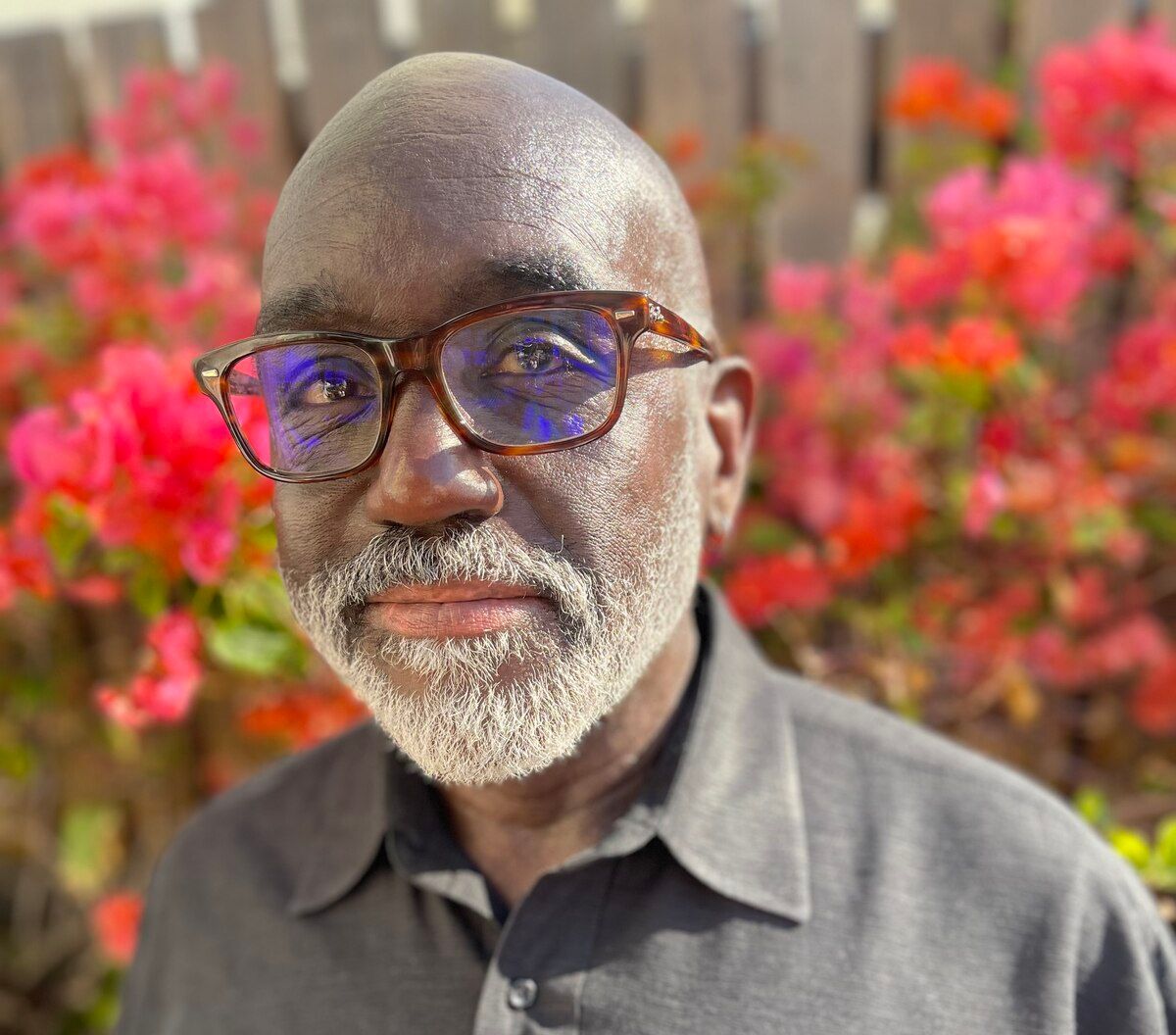

I meant to send this out yesterday, but I had a hard time recapping this interview with Sentry co-founder David Cramer.
David dropped out of high school and taught himself to code while managing a Burger King in his Nebraska hometown. He built credibility the long way — as an open-source contributor — then worked as a software engineer at a series of startups, eventually landing at Dropbox. It was there that he and co-founder Chris Jennings started building Sentry as a side project in 2012.
It took nearly three years before the company earned enough for them to quit their day jobs. Even then, David wasn’t convinced it could be anything more than a lifestyle business.
Fast forward to May 2022: Sentry announced a $90M Series E, pushing its valuation north of $3 billion.
“I know a lot more now than I did 10 years ago,” David told me. “What I would say now is: everything has a TAM. You just need to figure out how to capture it.”
This is a very unfiltered conversation. David is an outsider, but he’s not anti-system. He bootstrapped Sentry to phenomenal success, but doesn’t romanticize it. And perhaps most notably, he treats the venture capital he raised as a tool, not a victory.
“You’re not fundraising to build technology,” he says. “You’re fundraising to build a business. The day you raise money is the day you stop focusing on the technology. It’s the day you start focusing on the business. Sentry’s always been this way.”
This episode of Fund/Build/Scale isn’t a checklist. It’s about crossing the chasm from builder to operator — and accepting what the job actually becomes once other people’s money is involved.
David’s path shows what it actually looks like to build legitimacy without permission, when pedigree and early access aren’t on the table. By the end of the conversation, you’ll understand why his LinkedIn skills list includes “Professional Edgelord.”
RUNTIME 55:40
EPISODE BREAKDOWN
(1:56) "I've met a lot of Stanford grads that have not gotten very far in life."
(5:18) How David realized Sentry was more than just a cool side project.
(9:25) "Everything's an access game. This is why San Francisco is so valuable."
(15:16) "I would never advise somebody to just… go straight into the founder thing."
(19:59) " The day you raise money is the day you stop focusing on the technology."
(23:13) What do seed-stage success metrics look like?
(26:49) When it came to early pricing, "we just kind of iterated."
(32:34) Founders need "to push the business to the extremes of what it can become.
(36:58) When it comes to grind culture, " don't believe everything you read on the internet."
(40:13) "For me, marketing is three things.”
(49:06) “I do a bunch of angel investing. I’m trying to do less of it, frankly.”
(51:51) The last question
LINKS
Helping Developers See and Solve Quicker: Our Enduring Partnership with Sentry (Series E announcement, 5/4/2022)
Stay in the Conversation
Subscribe wherever you get your podcasts
Want to support this work?
Become a paid supporter. It directly buys me time to make more deeply-reported, founder-first conversations like this one.
Thanks for reading,
— Walter.


