
Building a startup in Africa isn’t about stacking small wins or copy-pasting Silicon Valley playbooks. It’s about choosing problems big enough to survive currency swings, fragmented markets, and long fundraising cycles — and then building with discipline.
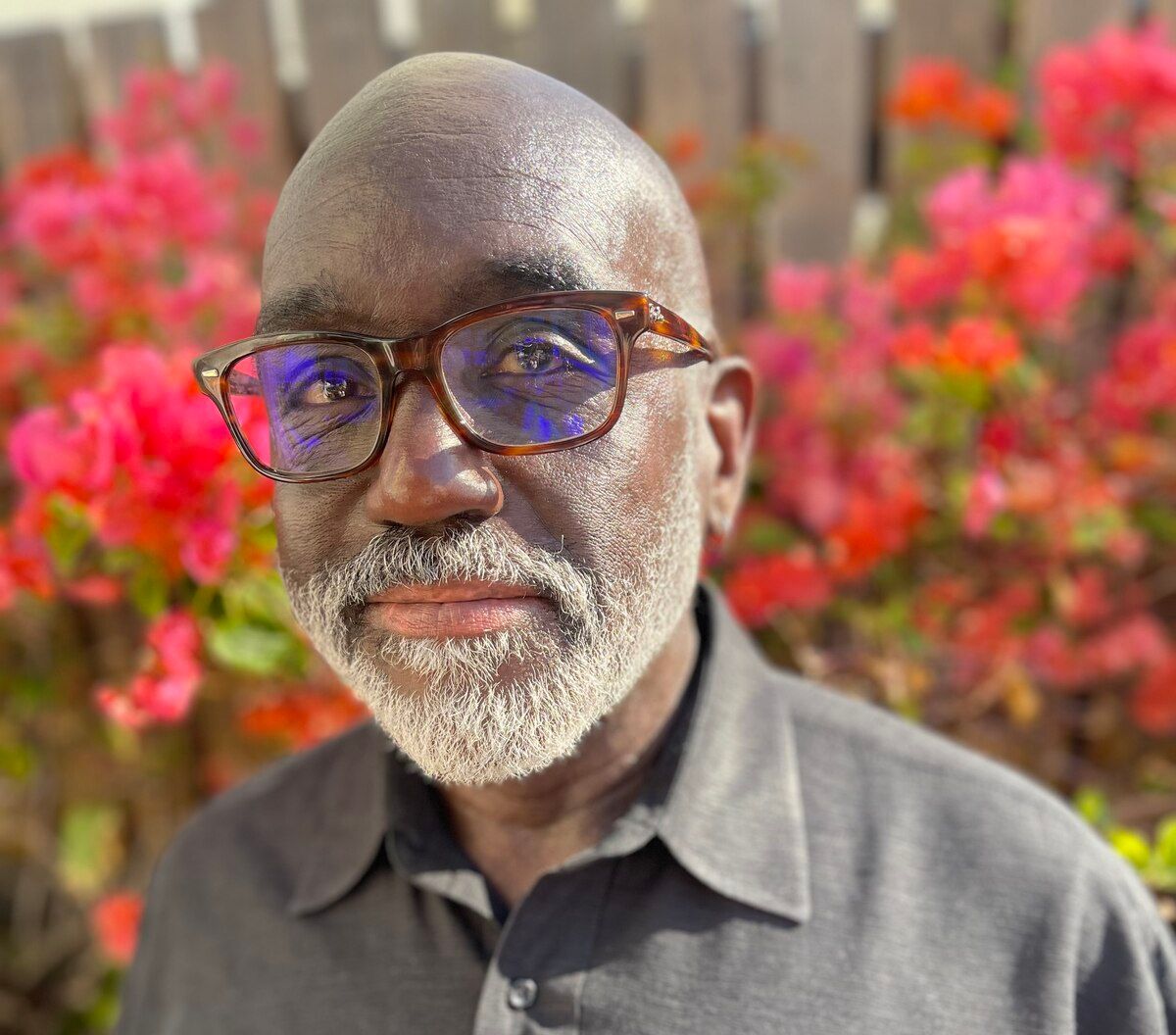
In this episode, I sat down with Ngetha Waithaka, general partner at Norrsken22, to talk about what actually changes when a company moves from seed to growth.
Norrsken22 is a growth-stage fund with a focus on sectors where infrastructure gaps create outsized opportunities: fintech, marketplaces, healthcare, and education. They write $4-10M checks into companies that have found product-market fit and are ready to scale across markets.
A few takeaways that stood out for African operators:
1. Not every startup should raise venture capital.
Ngetha is blunt about this: some businesses should stay small, profitable, and founder-controlled. Venture capital only makes sense if you’re attacking a problem large enough to justify institutional money and the pressure that comes with it.
2. “Institutional readiness” starts earlier than you think.
Growth investors are looking for honesty, not polish. Simple reporting, sturdy governance, clear unit economics, and the ability to reconcile cash matter more than storytelling.
3. Incremental improvements rarely scale in Africa.
Because infrastructure gaps are so large, businesses built on marginal gains struggle. The companies that break out tend to solve foundational problems in financial services, healthcare, education, or marketplaces — often by designing locally before thinking globally.
4. Expansion isn’t about the biggest market.
For founders thinking cross-border, Ngetha advises starting with the most analogous market, not the most exciting. Expansion is still an experiment, and the goal is learning, not headlines.
5. Currency risk is real. Growth is the only real hedge.
There’s no financial trick that makes FX volatility disappear. The companies that survive are the ones growing fast enough in local currency terms — and eventually diversifying across markets — so depreciation doesn’t wipe out returns.
If you’re an African founder preparing for growth capital, or an operator trying to understand what serious investors are actually looking for, this episode offers a clear-eyed look at what it takes to build something durable.
RUNTIME 46:36
EPISODE BREAKDOWN
(2:13) Ngetha unpacks Norrsken22’s origin story and thesis
(5:15) Should you bootstrap, or is your idea venture-scale?
(10:30) Before talking to VCs, make sure you can demonstrate “institutional readiness”
(15:05) African founders “have to start very early on the governance journey.”
(20:17) Ngetha works with founders “from all over the map.”
(22:55) Should African founders use Silicon Valley as a success model?
(29:43) A few thoughts on currency fluctuations and international expansion
(37:41) Where is Norrsken22 looking for opportunities?
(39:09) The difference between building for one market and building for Africa
(44:24) Ngetha’s advice to his younger self: “Success is not a linear journey.”
LINKS
Stay in the Conversation
Subscribe wherever you get your podcasts
Want to support this work?
Become a paid supporter. It directly buys me time to make more deeply-reported, founder-first conversations like this one.
Thanks for reading,
— Walter.


